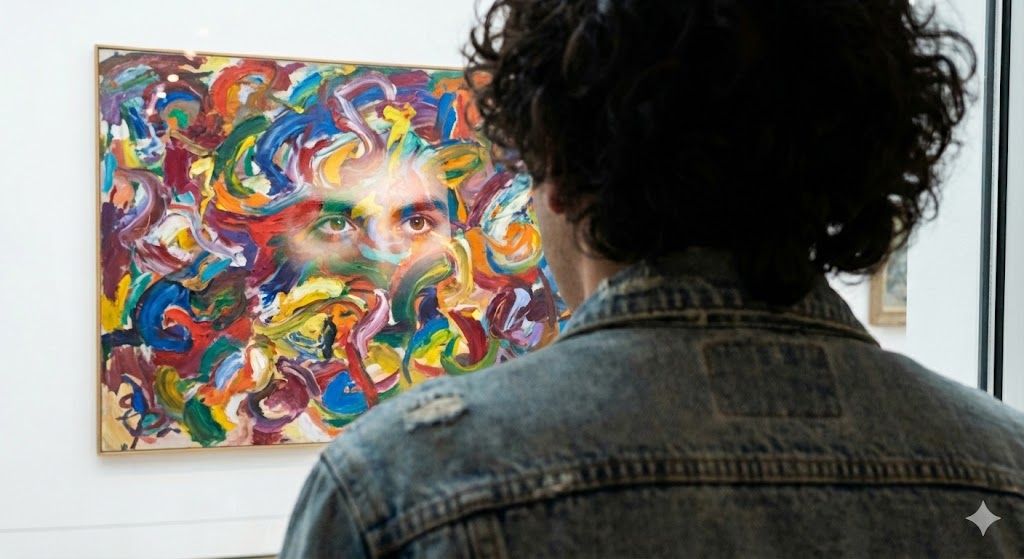
What if everything you thought about looking at art is wrong? What if seeing a painting or a sculpture isn’t just about the colors or shapes — but about you? Who you are, what you’ve lived, and even your Insta feed? John Berger flipped the script in “Ways of Seeing” by saying: looking isn’t passive or chill. It’s active, messy, and totally personal. So, how do you really see art without feeling lost or like you need a PhD? Can you trust your own vibe to get it without ‘correct’ answers? Let’s dive into seeing art like no one ever taught you—your way.
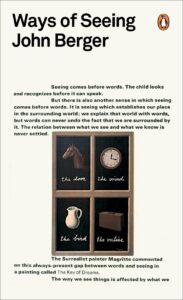
Reclaiming Your Gaze
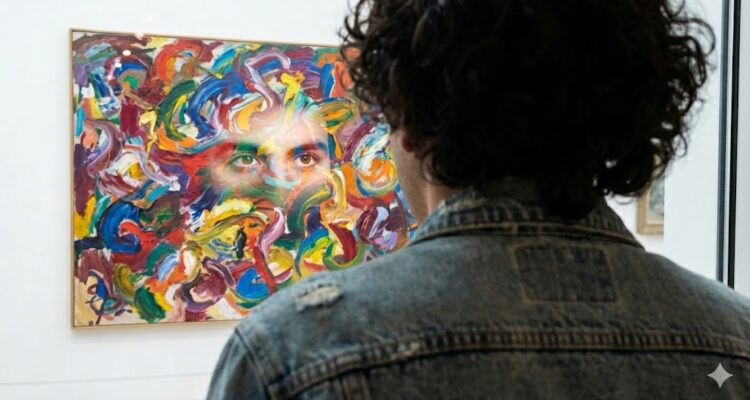
Art galleries can feel intimidating, filled with silent expectations and unfamiliar jargon. But Berger reminds us that your gaze is powerful. When you look at Indian paintings or sculptures, think of it as a dialogue, not a test. Ask yourself: What story or emotion does this spark in me? What memories or ideas come alive? Your personal background shapes what you see as much as the artist’s intention.
Breaking the Myth of Objectivity

“No painting is simply a window onto a scene,” Berger explains. Each artwork is layered with context—be it historical, social, or political. For example, a Mughal miniature isn’t just beautiful decoration, but a reflection of imperial power, aesthetics, and storytelling coded in detailed symbolism. Learning some history helps, but don’t get stuck in ‘correct’ interpretations. Instead, be curious about how art’s meanings shift through time and across viewers.
Seeing Beyond the Surface
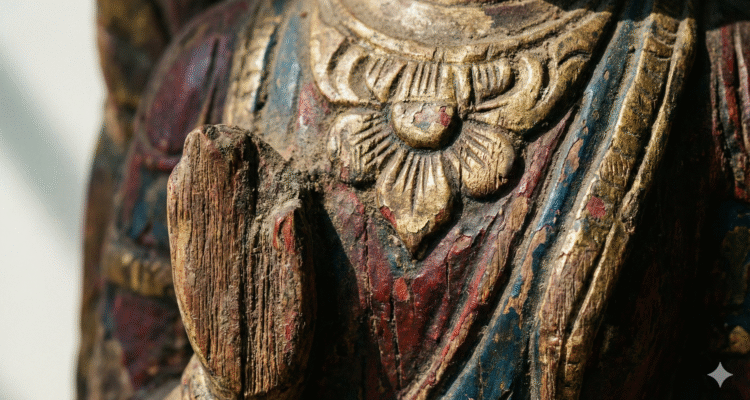
Berger points out how images are often framed or shown in specific ways to guide or manipulate our understanding. Keep an open mind when you visit galleries or museums. Don’t let descriptions confine your experience. Enjoy the textures, colors, shapes, and forms. Notice how your feelings evolve from one artwork to another. Every glance offers a new layer to discover—there is no single ‘right’ way to see.
Art as a Mirror and a Window
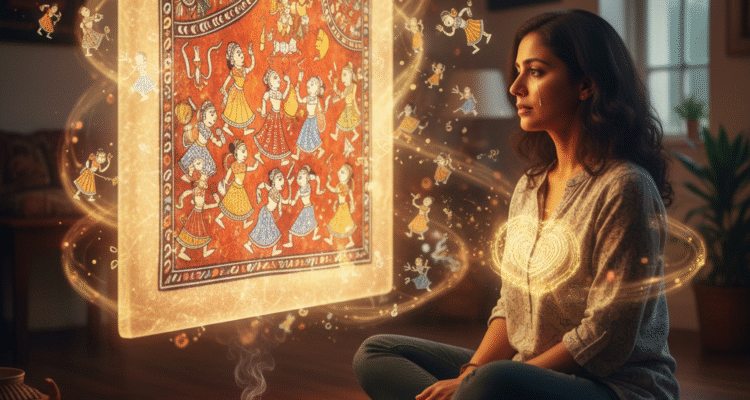
Art can reflect something inside us—our fears, joys, and questions. It can also be a window into the world of others, across time and culture. When seeing Indian art or folk styles, allow yourself to be transported to a different place, mindset, or narrative. Engage emotionally and intellectually without pressure. That’s the essence of truly seeing art: it’s an experience of presence and participation.
Start Small, Stay Curious
You don’t need to know names and dates to start. Pick one piece that catches your eye and spend time with it, even if that means just noticing what draws you in. Berger’s message is simple but radical: to see art fully, you just need to be an active, curious observer. Trust your instincts, question what you’re told, and let the art speak to your life.
This approach makes art accessible and alive—just as your ancestors experienced it in temple courtyards, village walls, or royal courts. It invites a fresh, emotional, and personal way to connect with Indian art and beyond, inviting everyone to become a lifelong ‘seer’ rather than a passive bystander.





+ There are no comments
Add yours