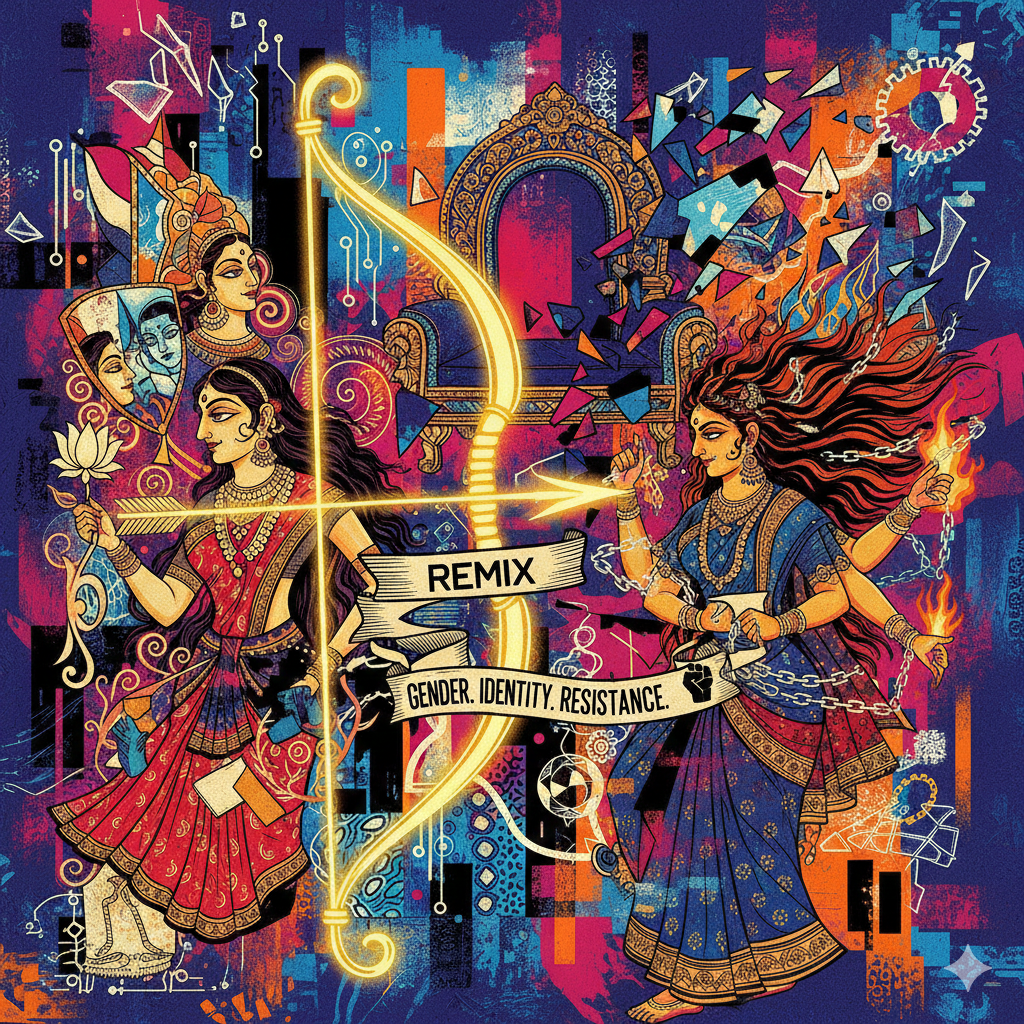
The Ramayana and Mahabharata have been India’s storytelling backbone for millennia—epics that taught values, heroism, and dharma in a neat package. But today’s world isn’t neat, and neither are today’s stories. Contemporary artists, writers, filmmakers, and graphic novelists are unpacking these epic tales and putting them back together in shards that shine light on the realities of modern India: feminism, queerness, mental health, caste politics, and identity struggles. This isn’t cultural nostalgia; it’s a radical remix that breaks and rebuilds tradition on its own terms.
Why Remix the Epics?
For centuries, these epics have functioned as moral and cultural compasses. But the Tales-as-They-Were often exclude or silence real people from the margins. The brave women, queer identities, flawed anti-heroes, and systemic inequities that permeate contemporary society rarely got airtime in the old stories or the dominant retelling.
Modern retellings embrace these silences and contradictions. They confront uncomfortable truths—the nuances of power, trauma, and resistance—that make the epics relevant again for today’s audiences hungry for stories that feel like them, not just about mythical archetypes.
Feminist Reimaginings: Sita, Draupadi, and Beyond
Take the figure of Sita, traditionally held up as a paragon of patience, purity, and sacrifice. Recent creative works are peeling back the layers to reveal her agency beyond victimhood. For example, Anita Desai’s “Fire on the Mountain” and Devdutt Pattanaik’s retellings highlight Sita’s choices, strength, and rebellion rather than blind endurance. Graphic novels like “Sita’s Ramayana” by Samhita Arni transpose Sita’s perspective—her courage, pain, and defiance—into the c
enter stage.
Similarly, Draupadi in the Mahabharata is no longer just the queen caught in the infamous dice game. Writers like Chitra Banerjee Divakaruni in “The Palace of Illusions” humanize Draupadi’s conflict, highlighting her struggles with betrayal, gendered power, and survival. These narratives challenge her portrayal as a catalyst for war, offering instead a deeply personal story of resilience and complexity.
Queer Readings and LGBTQ+ Visibility
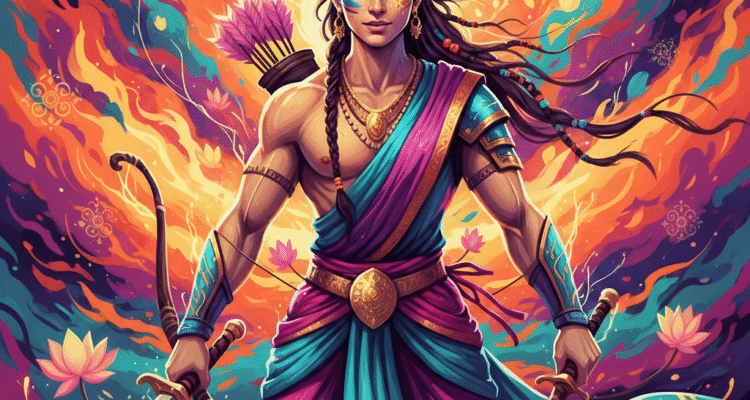
Queer perspectives in these epics have gained renewed visibility thanks to artists and scholars who decode gender fluidity and non-binary identities embedded subtly—or deliberately hidden—in the texts. The Ramayana and Mahabharata feature characters that queer theory identifies as potentially transgender or outside binary norms, like Shikhandi, who plays a crucial role in the Mahabharata’s Kurukshetra war.
Contemporary queer artists digitally and narratively explore these characters to reclaim their stories. For instance, Gopi Shankar Madurai’s activism and writings trace these LGBTQ+ elements, while literary works such as “The Boy Who Loved” by R. K. Laxman, and plays/films like “Arekti Premer Golpo” (A Few More Stories of Love) open up space for dialogue about gender and sexuality in mythology.
Mental Health and Trauma in Epic Narratives
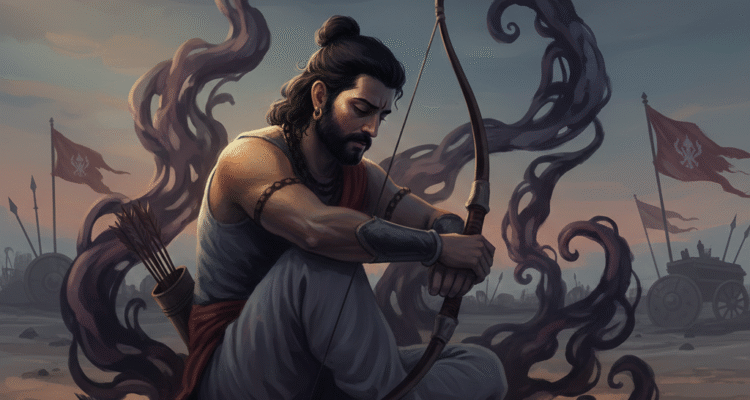
Mental health, often taboo in traditional retellings, finds a new voice as creators dramatize the emotional and psychological toll of epic conflicts. The characters are not just heroes or villains but deeply human beings battling inner demons.
The portrayal of Arjuna’s existential crisis before the battle in the Bhagavad Gita is ripe for modern interpretation around anxiety and PTSD. Recent theatrical productions and films like “Karn Sangini”, or web series like “The Mahabharata Project”, zoom into these emotional struggles to make ancient dilemmas relatable to contemporary minds dealing with stress, identity crises, and moral ambiguity.
Caste and Social Justice in Epic Contexts
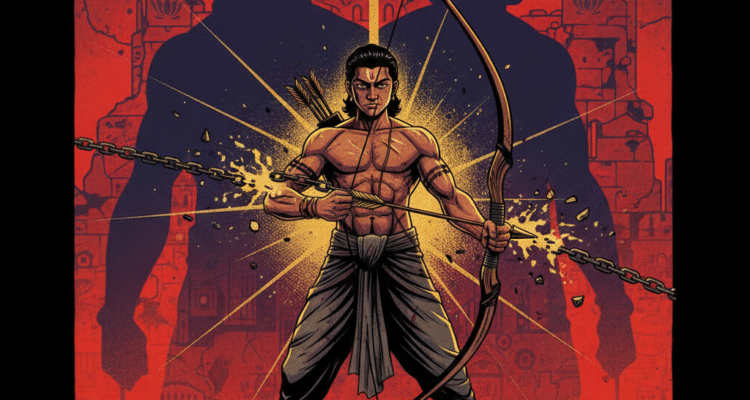
Caste oppression and social hierarchies have always underpinned Indian society, yet traditional epic narratives often sidelined these issues. Modern storytellers use these epics to grapple with caste politics head-on.
The Dalit theatre group Jan Natya Manch has long used Mahabharata motifs to protest social injustice. Likewise, films like “Court” and literary works by authors like Usha Narayanan question class and caste dynamics through epic allegories. These artistic interventions foreground voices from oppressed communities who reclaim ownership of cultural narratives that once excluded or erased them.
Visual and Graphic Novel Adaptations: Epic Remixes for a Digital Age
Graphic novels and digital art offer an accessible, arresting way to reframe these stories for younger audiences navigating a fast-paced world. Series like “Epic Tales from India” by Amar Chitra Katha have evolved to become more inclusive and critical, while newer graphic novels like “Ramayana 3392 AD”, a sci-fi retelling, blend mythology with futuristic imagination.
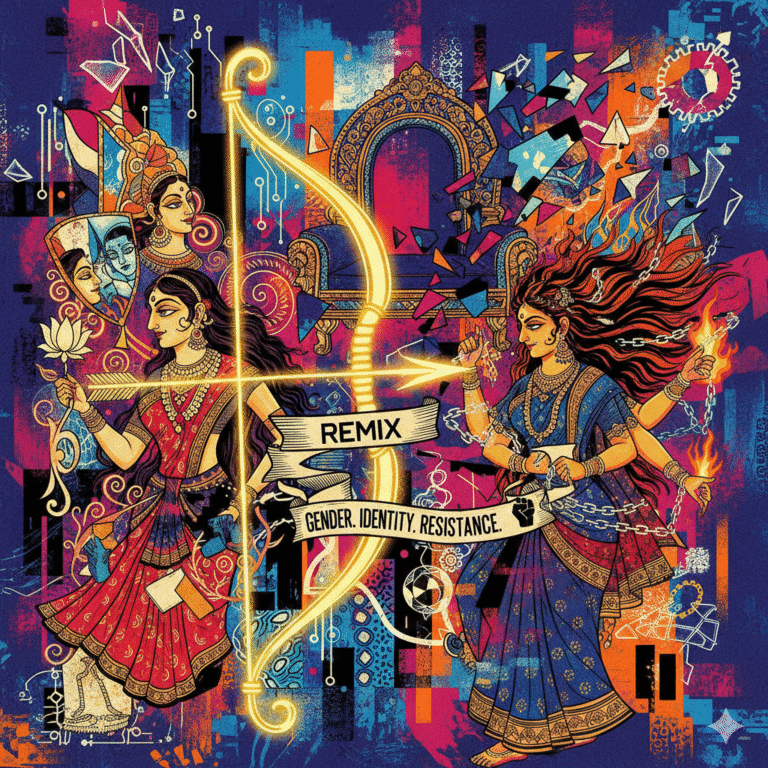
Visual artists also reinterpret iconic epic scenes highlighting contemporary themes. For instance, digital artist Ravindra Nath Thakur often incorporates classical iconography with modern symbolism to push conversations around identity, censorship, and diaspora.






+ There are no comments
Add yours